
(Image source from: Sana.sy)
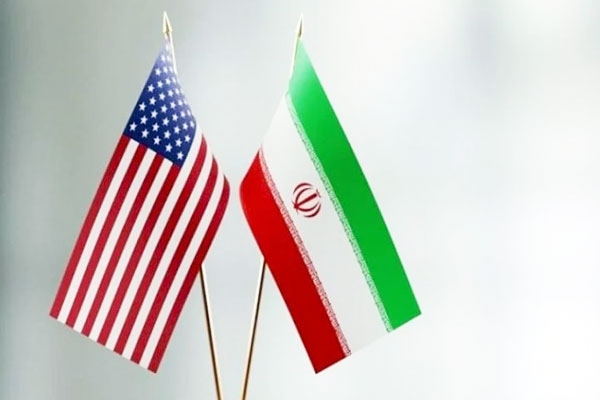
The United States and Iran are discussing a potential agreement that would involve a halt to fighting in return for Iran reopening the Strait of Hormuz, as reported by Axios. The report also noted that Trump talked about a possible ceasefire with Saudi Crown Prince Mohammed bin Salman during a call on Wednesday. In a post on Truth Social that same day, Trump stated that Iran’s president is seeking a ceasefire and added that it will only occur when the Strait of Hormuz is "open, free, clear. " Trump wrote, "We will think about a ceasefire when the Strait of Hormuz is open, free, and clear. Until that happens, we will attack Iran hard, or as they say, send them back to the Stone Ages! ! ! " However, an Iranian foreign ministry spokesperson called this statement "incorrect and unfounded. " Trump, who is set to give a televised speech on Wednesday evening, claimed on Tuesday that he could end the war in two to three weeks if he believes Iran will not be able to make a nuclear bomb, even if there isn’t a ceasefire agreement.
At the same time, China and Pakistan have proposed a plan that includes a ceasefire and the reopening of the Strait of Hormuz. Vice President JD Vance has also been contacting intermediaries about Iran as recently as Tuesday and conveyed that Trump is feeling restless, and there will be increasing pressure on Iranian facilities if they do not reach an agreement, according to someone informed about the discussions who requested to remain anonymous. Trump instructed Vance to privately communicate that he is willing to agree to a ceasefire if certain conditions are satisfied. Iran's Foreign Minister Abbas Araghchi had previously rejected the idea of positive diplomatic progress with the U. S., mentioning that the "trust level is at zero" between the two countries. In a discussion with Al Jazeera, Araghchi stated that Tehran finds no "sincerity" in U. S. actions and has "never had a good experience with negotiations" involving the American government.
Araghchi indicated that Tehran is ready to keep fighting. "You cannot engage with the people of Iran using threats and ultimatums," he said. "We do not impose any deadlines for our self-defense. " Since the conflict started on February 28, Trump has presented varying goals and has suggested that it could end soon while also threatening to escalate the conflict. Currently, thousands of extra U. S. troops are heading to the Middle East, and there is much speculation regarding the purpose of their deployment.